Residential Tree Removal in Minneapolis
Request an estimate today
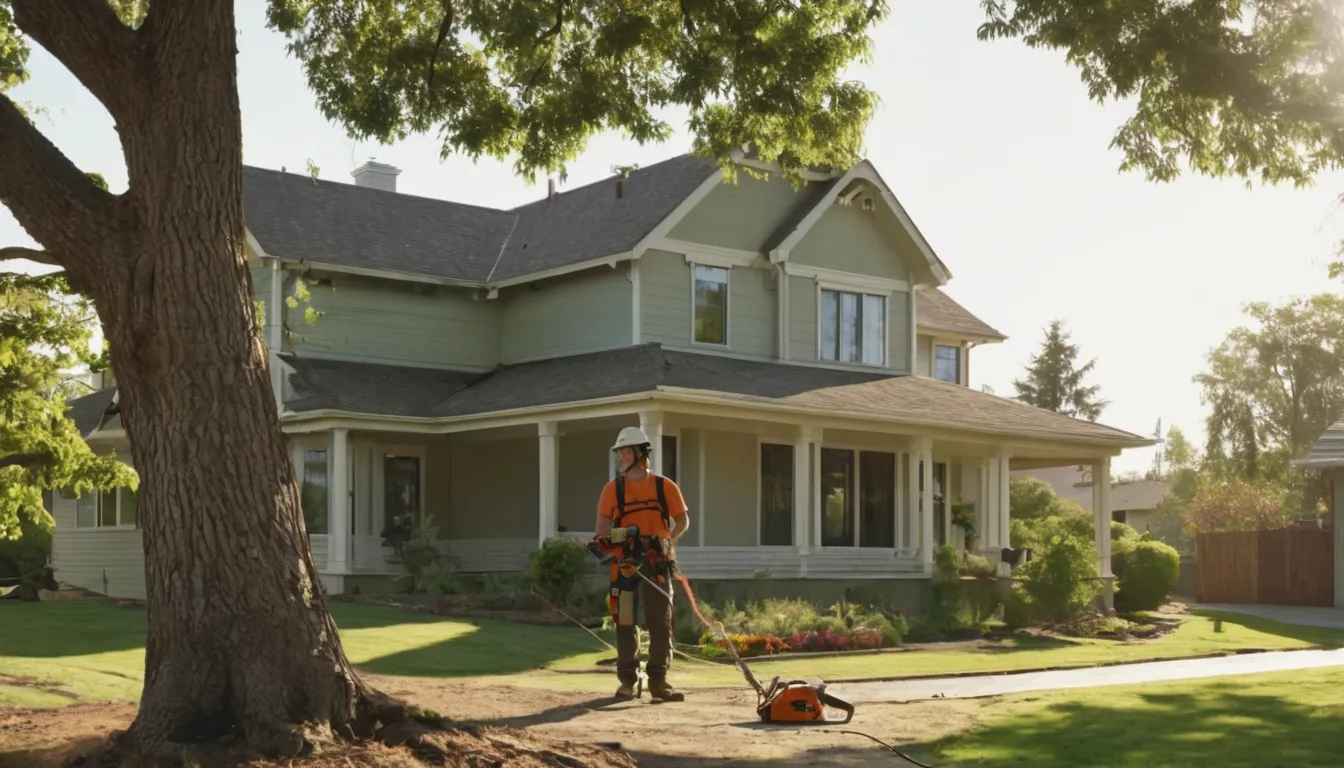
Dochunting Tree Service is a referral service. We connect homeowners in Minneapolis, MN with independent local providers who remove trees. The providers do the work. We do not.
This page gives you a simple routine. First, photograph the tree. Next, write notes. Then request an estimate and compare what you get. Keep records handy for any insurance talk later. After the tree is gone, a little basic care helps protect your yard, your home and the trees that remain. Follow the steps below at your own pace.
Start Here: Is This Urgent?
First, check for danger. Look for a tree leaning over the house, cracked limbs, or roots lifting from the soil. Keep people and pets away from the area.
If a tree is touching a power line, stay back and contact your utility. If someone is hurt, contact emergency services. Then come back to this checklist.
Request a callback to check provider availability for a tree that worries you.
Photograph It First
Photos come before any work. They help with estimates and with any insurance conversation later.
- Take wide shots of the whole tree.
- Take close shots of cracks, rot, or dead limbs.
- Show how near the tree is to the house, fence and lines.
- Add a photo of the date, such as a phone screen.
Notes Before Estimates
Next, write short notes. Keep them in one place, such as a phone note or a folder.
1. Tree type, if you know it. 2. Rough height and trunk width. 3. Where it stands and what is near it. 4. When you first saw the problem. 5. Any recent storm, hail or flood.
Why Homeowners Remove Trees
There are a few common reasons. Each one changes how fast you may want to act.
Dead or Dying Trees
Bare branches in summer, peeling bark and mushrooms at the base are warning signs. Dead wood can drop without notice.
Storm Damage
Severe thunderstorms and hail can split trunks and tear limbs. Storm tree clearance is often needed when a tree is hanging or leaning.
Roots and Foundations
Roots can press on bungalow and ranch foundations, driveways and sewer lines. Full basements with sump pumps can be sensitive to root trouble and wet soil.
Planning and Space
Some people want more sun, a safer yard, or room for a new build. These jobs are less urgent, so you have time to compare.
How the Job Works
Here is the usual order. Details vary by provider.
1. You send in your request. 2. A local provider reviews your photos and notes. 3. The provider may visit the site. 4. You get a written estimate. 5. You pick a date that works. 6. The provider handles the tree falling service, cutting and hauling.
A provider may climb the tree, use ropes, or use a crane for tight spots. Larger trees near homes often take more planning.
What Affects the Price
Price depends on the job, not just the tree. Check these items:
- Height and trunk size.
- Distance from the house and lines.
- Access for trucks and gear.
- Dead, leaning or storm-damaged wood.
- Haul-away and cleanup.
- Stump work, which is often priced separately.
Always ask for a written quote. Compare what each one includes.
Permits and Local Rules
Some towns require a permit for certain trees. Rules may cover size, species, or trees near a street. Some neighborhoods have their own rules too.
First, check with your local office. Next, ask the provider what they know about local rules. Then keep any permit papers with your records.
Choosing a Provider
Use this short checklist when you compare:
- Is the quote in writing?
- Does it list the work, cleanup and stump plan?
- Can the provider show proof of insurance?
- Does the provider explain how the tree will come down?
- Are dates and terms clear?
Keep records handy. Save every quote, message and receipt.
Getting Ready for Removal Day
A few small steps make the day smoother.
1. Move cars out of the driveway. 2. Clear patio furniture and toys. 3. Mark sprinkler heads and buried lines. 4. Keep pets inside. 5. Take a set of fresh photos. 6. Ask the provider where to stay during the work.
Insurance and Your Records
Some policies may cover sudden damage. Check your policy and ask your agent. Providers can often help document damage for a claim. Your photos, notes and quotes make that talk easier.
After the Tree Comes Down
First, walk the yard with the provider. Check the cleanup against the quote. Take after photos.
Next, look at the stump. Ask about options for it. Stump work is its own service.
Then add the final invoice to your folder.
Keep the Yard Healthy Afterward
Prevention is simple.
- Water young trees in hot, humid summers.
- Mulch, but keep it off the trunk.
- Trim weak limbs before storm season.
- Check trees after hail and heavy winds.
- Watch low spots for spring flooding.
- Wrap or protect young bark before deep frost.
Ready for Your Next Step?
You have your photos and your notes. Now request an estimate and compare what independent providers offer in the Minneapolis area.
What's Included
Tree Falling Service
A provider cuts the tree down in a planned order, using ropes or lifts when space is tight.
Limb Cutting
Branches and trunk sections are cut into pieces that are easier to move and haul away.
Debris Haul-Away
Many providers can carry off logs and brush. Confirm this in the written quote.
Site Cleanup
Ask about raking, sawdust and leftover chips so the yard is ready to use again.
Typical Tree Removal Costs
These are typical U.S. ranges. Real prices vary by tree, access and local rates. Use them only as a rough guide, and always get a written quote before work starts.
| Item | Typical range | Notes |
|---|---|---|
| Small tree (under 30 ft) | $150 – $500 | Easy access keeps cost lower |
| Medium tree (30–60 ft) | $400 – $1,200 | Size and nearby objects matter |
| Large tree (60+ ft) | $1,000 – $3,000 | May need a crane or extra crew |
| Dead or leaning tree | $500 – $2,500 | Added risk can raise the price |
| Storm-damaged tree | $500 – $3,500 | Depends on damage and location |
| Haul-away and cleanup | $100 – $500 | Sometimes already in the quote |
How It Works
Photograph and Note
Take photos from several angles and write short notes about the tree and what is near it.
Request an Estimate
Send your details. Independent providers in your area can review your request.
Compare Written Quotes
Look at scope, cleanup, stump plan and terms side by side.
Schedule and Follow Up
Pick a date with the provider, then save your final records and add care.
Why Call Dochunting Tree Service
Paperwork First
We help you organize photos, notes and quotes before you talk to any provider.
Local Providers
Independent providers in your area review your request and send their own estimates.
Clear Steps
A simple checklist keeps you on track from first photo to final invoice.
No Obligation
You can compare estimates and decide what fits your needs.
Other Services
Need residential tree removal in Minneapolis?
- Photograph the tree from several angles
- Write down what you see
- Request a written estimate
- Keep every record
Residential Tree Removal FAQ
How much does it cost to remove a tree?
Typical U.S. prices range from about $150 for a small tree to $3,000 or more for a large one. Access, height, condition and cleanup all change the total. Ask each provider for a written quote.
Do I need a permit to remove a tree?
It depends on your town and the tree. Some places require permits for large or protected trees. Check with your local office, and ask the provider what they know.
Will insurance pay for tree removal?
Some policies may cover sudden damage, such as storm damage to a home. Coverage varies, so check your policy. Providers can often help document damage, and photos and notes make that easier.
Request a callback
Send your tree details and photos through the request form, or email contact@dochunting.living. A local provider can follow up with an estimate.
No obligation