Emergency Tree Removal in Minneapolis
Request an estimate for urgent tree work
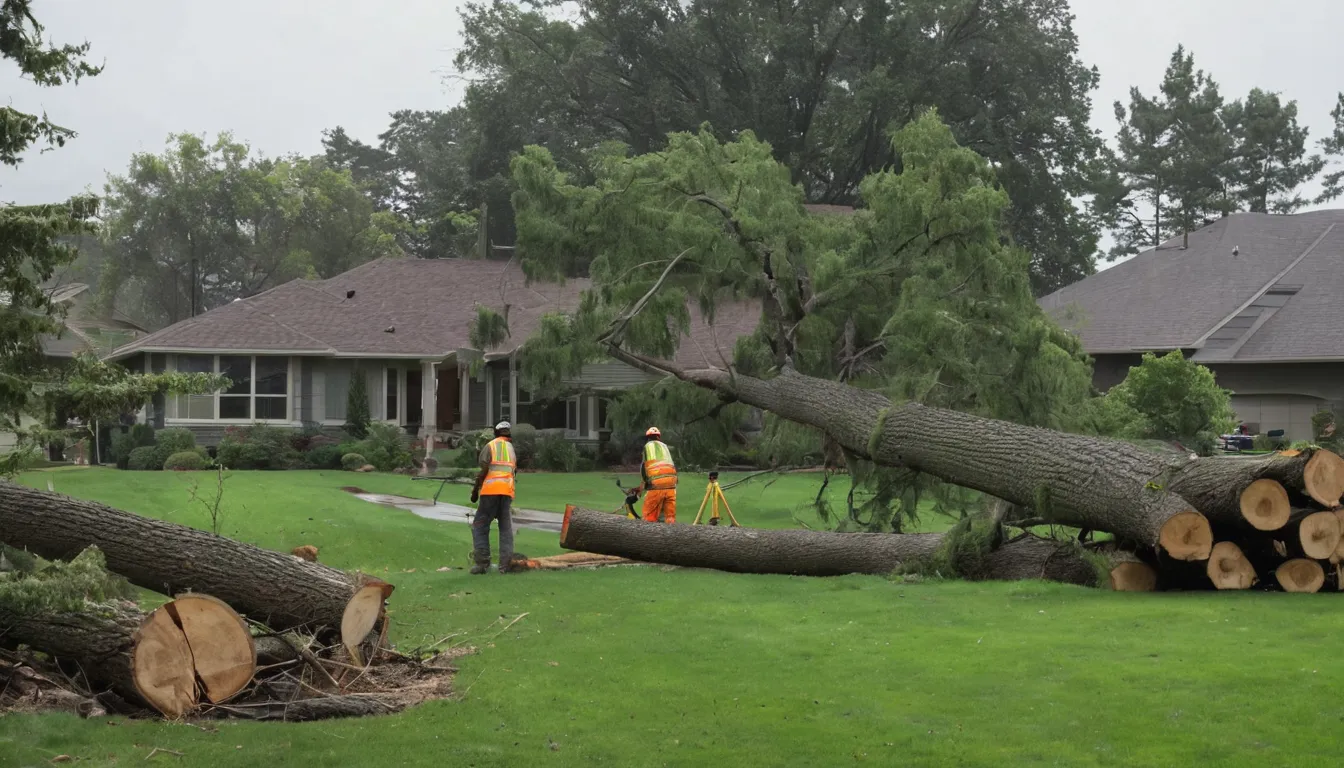
A tree that comes down in a storm can block a driveway, crush a fence or land on a roof. This page gives you a short, clear routine to follow. It tells you what to do first, what to write down and what to ask.
Dochunting Tree Service is a referral service. It connects homeowners in the Minneapolis area with independent local providers who do the tree falling service and storm tree clearance. Dochunting Tree Service does not do the work. Each provider sets its own schedule, price and process. Keep your photos and notes together so every estimate you get is based on the same facts. Availability varies by provider and by how many storms have hit the area.
Tree Down? Stay Safe First
Safety comes before everything else. Use this short list.
- Get everyone, including pets, away from the tree and the damaged area.
- Stay out of any room that the tree is pressing on.
- Do not try to cut or pull a heavy tree yourself.
Watch for Power Lines
First, look up and around. A line touching a branch can make the whole tree dangerous. Stay far back and do not touch the tree, the fence or anything wet near it. Report the line to your utility company.
Leave the Heavy Work to Providers
A tree under tension can shift without warning. Chainsaws on stressed wood cause serious injuries every year. Emergency tree removal is a job for trained, insured providers with the right gear. Ask any provider about their insurance before work begins.
What Counts as an Urgent Tree Problem
Not every tree problem is an emergency. Sort yours into one of two groups.
Needs Quick Attention
- A tree or large limb is on the house, garage or a car.
- A tree blocks the driveway or the only way out.
- A tree is leaning more than it was yesterday.
- Roots have lifted out of the ground after wind or flooding.
- A big limb is hanging loose over a walkway or play area.
Can Wait a Little
- A small branch fell in the yard and nothing is damaged.
- A tree looks sick but is standing straight.
- Dead limbs are far from any building.
If you cannot tell which group fits, treat it as urgent and ask a provider.
Photograph It First
If it is safe, take photos before anything moves. Shoot wide, then close. Capture the whole tree, the damage it caused, and the ground around it. Add a photo of the street side if a neighbor's property is involved. Date-stamped photos help later.
Notes Before Estimates
Next, write a few lines. Keep them short.
- When the tree came down.
- What the weather was doing.
- What it hit, and what looks damaged.
- Whether power lines or a gas meter are close.
Give the same notes to every provider. Then the estimates are easier to compare.
How Storm Tree Clearance Works
The usual order looks like this.
1. You request an estimate and share your photos. 2. A provider reviews the job, and may visit the site. 3. The provider explains the plan, the price and the timing. 4. Crews cut the tree into pieces and lower or lift them away. 5. Limbs and logs are hauled off or left, as agreed.
When a tree rests on a roof, a provider may need a crane or careful rigging. That can change the price. Ask for the plan in writing.
Working With Your Insurance
Some policies may cover sudden damage from a fallen tree. Check your policy for the details, including your deductible. Providers can often help document damage for a claim, such as with photos and a written description of the work. Call your insurer early and ask what they need from you.
- Keep your photos, notes and any written quote.
- Save every receipt.
- Ask what must be reviewed before the tree is moved.
Keep records handy in one folder, on paper or on your phone.
After a Big Storm: What to Expect
When a severe storm hits a whole area, many homeowners need help at once. Providers triage. Jobs with danger to people or buildings often come first. Jobs in the yard may wait longer. Request a callback to check provider availability, or send a request and keep your phone nearby.
Cold winters, spring flooding, hail and hot humid summers all stress trees in this region. Saturated soil makes roots let go. Ice and wind snap weak limbs.
Questions to Ask the Provider
- Are you insured for tree work and property damage?
- Does the quote include cleanup and hauling?
- Will you protect the lawn, roof or fence while working?
- What could change the price once work starts?
- Can I get the quote in writing?
Stump work is a separate job. If you want the stump ground down, mention it when you ask.
Preventing the Next Storm Problem
After the cleanup, a few habits lower the odds of a repeat.
- Have the remaining trees checked each year by a provider.
- Trim dead or crossing limbs before storm season.
- Keep mulch off the trunk base and away from the roots.
- Watch for leaning, cracks or mushrooms at the base.
Keep Records Handy
Add the new photos, receipts and notes to your folder. Next time, you will start from a clear file instead of from scratch.
What's Included
Fallen Tree Removal
Providers cut and clear trees that have come down on lawns, driveways, fences and roofs.
Storm Tree Clearance
After high winds or hail, providers can clear broken limbs and trunks that block access to your home.
Hazard Limb Removal
Large cracked or hanging limbs can be safely cut down before they fall on people or property.
Debris Cleanup
Many providers haul away logs and branches. Confirm in writing what is included.
Typical Emergency Tree Removal Costs
Prices vary by tree size, access, danger and local rates. These are typical U.S. ranges only. Always get a written quote before work starts, and compare more than one.
| Item | Typical range | Notes |
|---|---|---|
| Small fallen tree | $300 – $1,000 | Yard access and no structure damage |
| Large fallen tree | $1,000 – $3,000 | Heavy trunks need more crew and gear |
| Tree on a roof or house | $2,000 – $10,000 | May need a crane and careful rigging |
| Hanging or broken limb | $300 – $1,500 | Depends on height and risk |
| Debris haul-away | $100 – $500 | Sometimes included in the quote |
| Urgent or storm-time fee | $100 – $1,000 | Some providers add this; ask first |
How It Works
Make It Safe
Move people and pets away from the tree, and stay far from any power lines.
Photograph and Note
Take wide and close photos, then write short notes on what happened.
Request an Estimate
Share your photos and notes so providers can see the same job.
Review and Schedule
Compare written quotes, ask your questions, and choose a provider.
Why Call Dochunting Tree Service
Organized before you call
Photos and notes help providers give a clearer estimate and help with any insurance questions.
Local Providers
Independent providers know local trees, soil and storm patterns in your area.
Clear Roles
Providers do the work. Dochunting Tree Service only makes the introduction.
No Obligation
You can compare estimates and decide for yourself, with no pressure to hire.
Other Services
Need emergency tree removal in Minneapolis?
- Photograph the tree from several angles
- Write down what you see
- Request a written estimate
- Keep every record
Emergency Tree Removal FAQ
What should I do first when a tree falls on my house?
Get everyone out of the affected area and stay away from power lines. If it is safe, take photos. Then contact your insurer and ask a provider for an estimate.
Does homeowners insurance cover emergency tree removal?
Some policies may cover sudden damage from a fallen tree, but coverage varies. Check your policy for limits and deductibles. Providers can often help document damage for a claim with photos and a written description of the work.
How fast can a provider come out after a storm?
It depends on the provider and on how many homes were hit. Many providers can respond quickly to dangerous situations, but timing varies. Request a callback to check provider availability, and share photos so they can judge how urgent the job is.
Request a callback
Send your tree details and photos through the request form, or email contact@dochunting.living. A local provider can follow up with an estimate.
No obligation